Find your controller.
Open the timer door and identify the current program. Take a photo of the screen before changing anything.
Welcome home
Congratulations on your new landscaping. A few thoughtful checks through the first season protect the plants, the irrigation, and the work that went into your home.
Today’s priorityAdjust your home sprinkler, then walk every zone once.
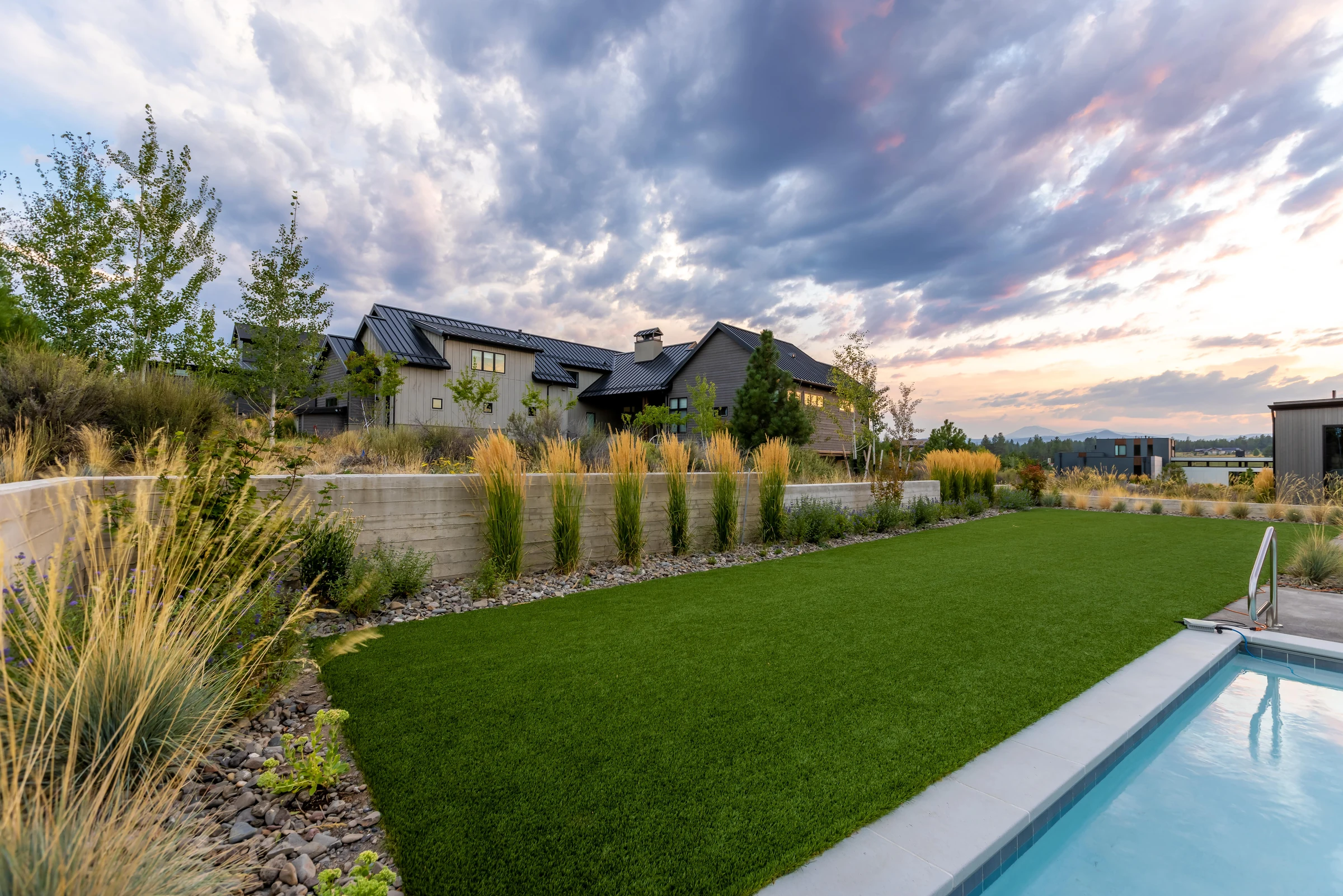
Start here
Keep the first pass simple. Watch what your landscape does before making big changes to runtime or frequency.
Open the timer door and identify the current program. Take a photo of the screen before changing anything.
Run one zone at a time. Confirm water reaches the lawn or beds, not the sidewalk, fence, or side of the house.
Dry spots, wilted plants in the morning, soggy soil, or runoff tell you more than a fixed schedule can.
The annual rhythm
Right nowFall shut down
Spring start up
When hard-freeze weather has eased
Start slowly. Turn water on to the system, choose the spring schedule, and stay outside while every zone runs.
A zone that will not pressurize, a visible leak, or an odd sound is a reason to call before changing more settings.
Summer watch
The hot, dry part of the season
Check the system weekly and adjust carefully as heat, wind, shade, and plant growth change through the summer.
Small changes made early are easier on plants and easier on the system.
Fall shut down
September into fall weather
A professional blowout is the most important irrigation task of the year. Book before freezing weather arrives, rather than waiting for a forecast.
Freeze damage is expensive and avoidable. A winterized system starts spring in much better shape.
Book a sprinkler blowoutWinter rest
After the fall shut down
Your timer stays off or in rain mode. There is no routine irrigation work to do until spring, but plant care still matters in dry winter periods.
If you are not sure whether a component is protected, call before turning water back on.
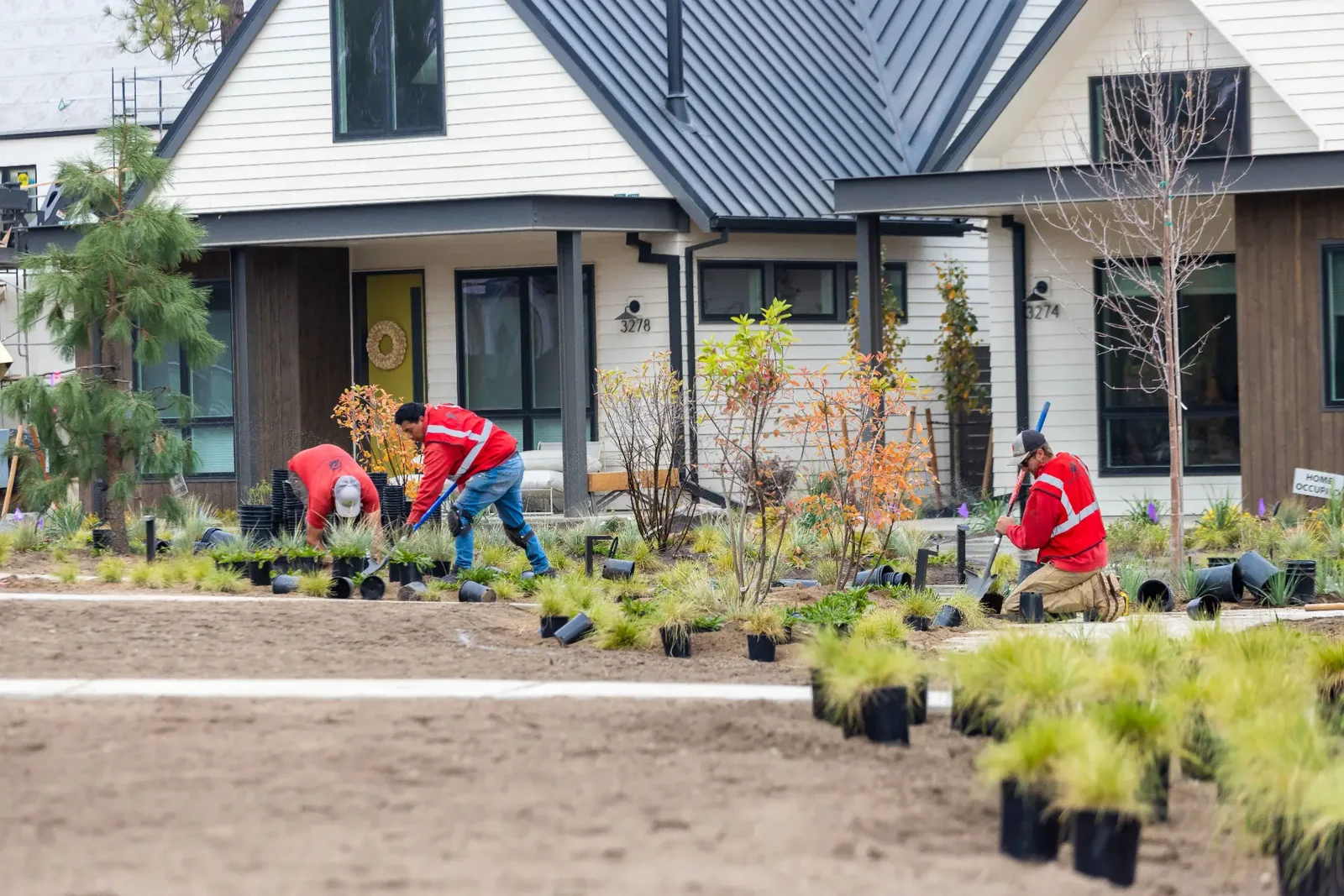
Water by what you see
The first season is about learning your site. Sun, wind, soil, slope, and plant type all affect how quickly water moves through a zone.
New plants may need water up to three times a day during establishment, depending on weather and plant type.
Start with the schedule you were given, then adjust from the plants and soil instead of changing several settings at once.
New sod needs frequent water while it roots. Once established, reduce short cycles and water more deliberately.
The irrigation system
A quick walk during a normal cycle is the simplest way to spot a problem. This is what to notice and what to do first.
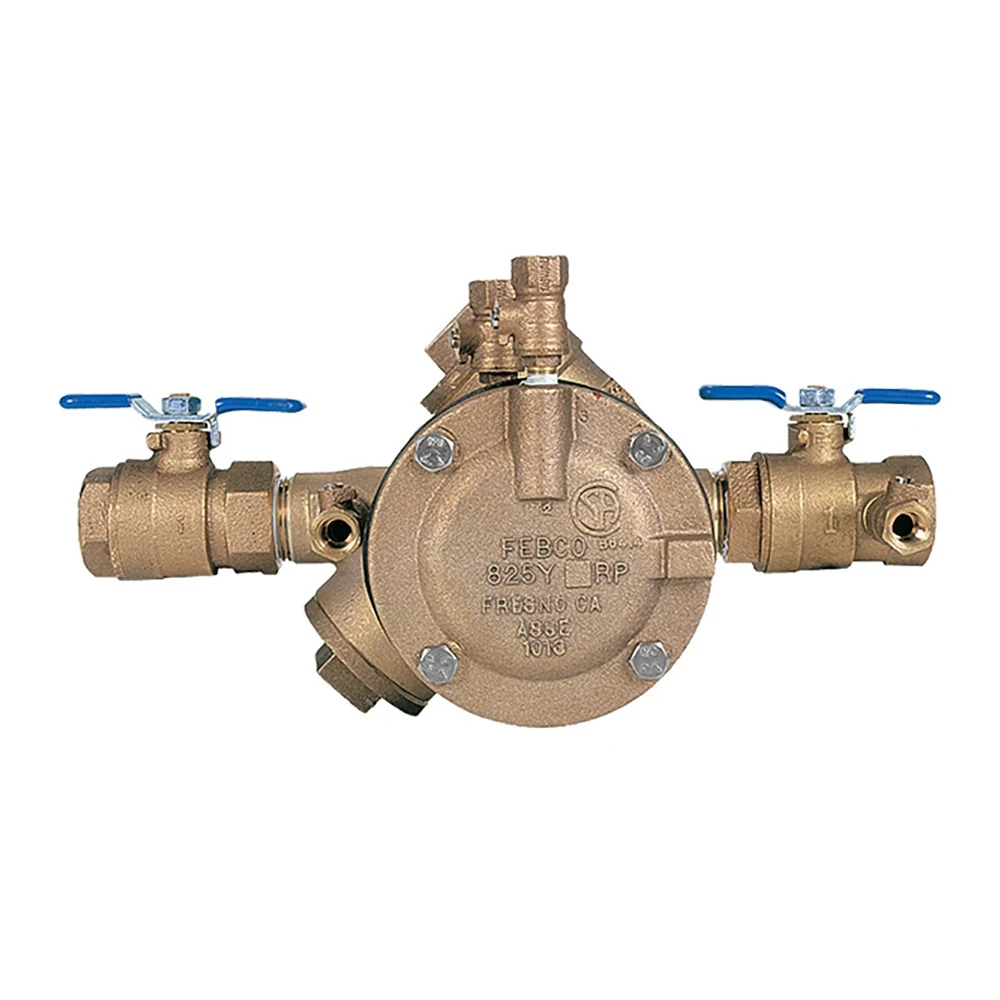
Run the nearby zone and watch for a blocked emitter, a broken line, or water missing the target.
Check for runoff, a leak, or a zone that is running too long. Do not simply add more water elsewhere.
Stop changing programs, note the zone number, and call us with what you observed.
Turn off the affected water if you can do so safely and call for service before running another cycle.
Care beyond irrigation
Plants, paving, lighting, ground cover, and optional features all age better with small seasonal checks. Open any topic below for the specific care notes for your project.
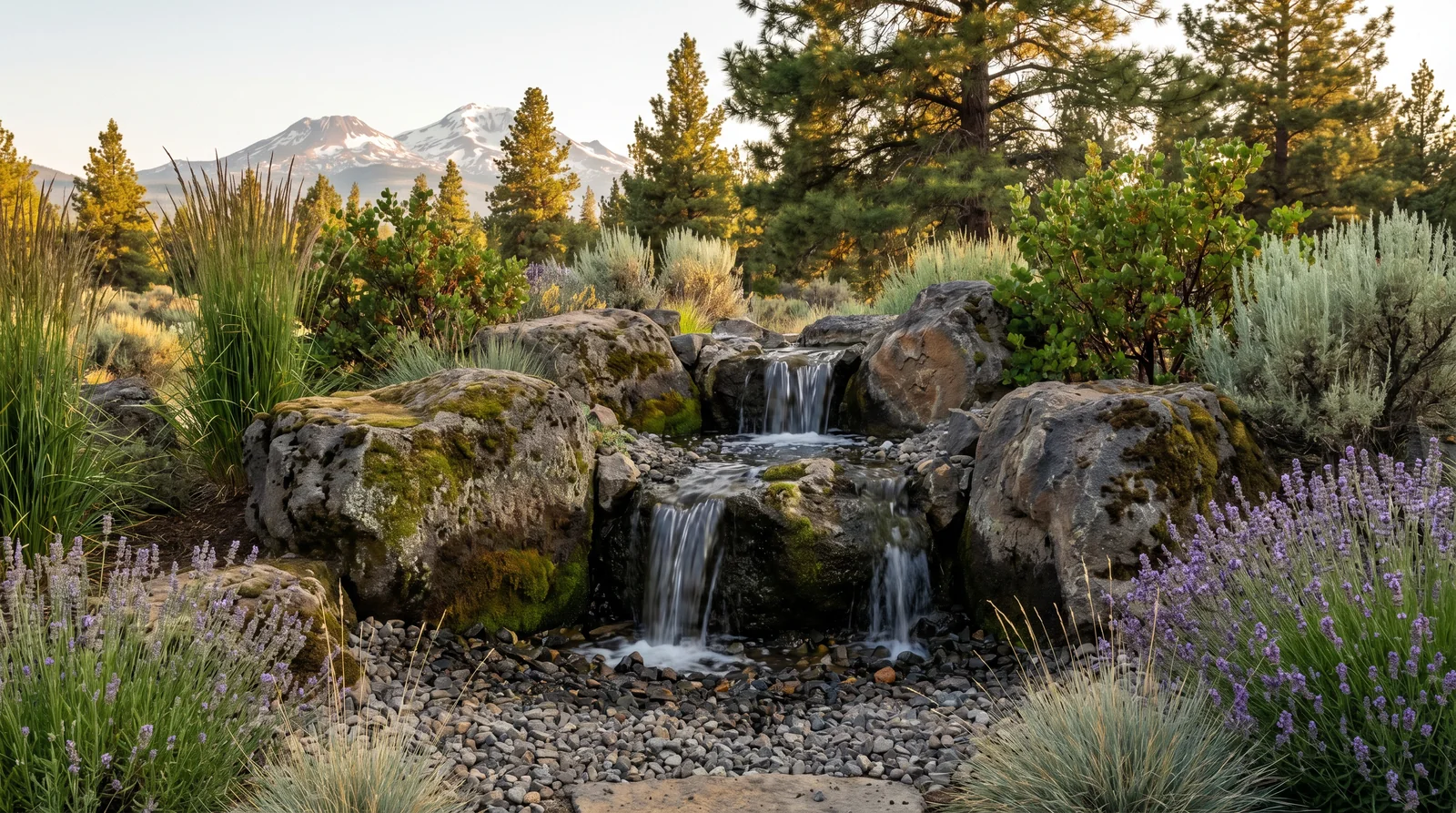
Detailed care notes
These are practical reminders for the materials and features that may be part of your landscape. Choose the sections that apply to your home.
New sod establishes fast when it stays evenly moist and is protected from traffic while roots take hold.
Your new planting needs observation more than a fixed formula. The goal is moist soil, never saturated soil.
Use the controller as a starting point, then adjust from what you observe in the landscape.
Clean, intact ground covers help beds retain their finish and let water reach the plants where it belongs.
Landscape lighting works best when fixtures, lenses, and wires stay accessible and free of debris.
A deer-resistant planting is not deer-proof. Small, regular checks catch animal damage before it spreads.
Routine surface care preserves the finish and protects the joint material that holds a paver area together.
Water features are easier to keep running well when leaves, debris, and seasonal changes are handled early.
A clean surface and clear drainage keep synthetic turf looking intentional and ready to use.
A quick visual check before and after use keeps a fire feature ready for the next gathering.
Your timer
Find your timer model on the inside of the controller door. If you are unsure which program controls a zone, take a photo and call before changing several settings at once.
Call 541 617 8873 for timer helpQuestions are normal
Newport Avenue Landscaping can help with seasonal irrigation, maintenance, repairs, and the next step for your particular landscape.
Irrigation warranty: Your irrigation warranty stays in force when Newport completes your spring start up and fall blowout. Keep your service notes with this guide.